Source Semi Automatic Wheat Gluten Production Machine for Food
Find 23 semi automatic wheat gluten production machine options from Chinese suppliers. Compare specifications like 100kg/time capacity, 2.2kw power, and stainless steel construction to identify suitable equipment for starch and vital gluten processing lines; compare the available evidence and request quotations based on your requirements.
Key considerations
Products List
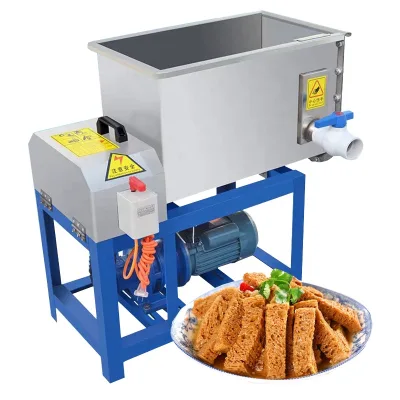


Wheat Starch Processing Machinery / Vital Wheat Gluten Produce Machinery
$952000.00 - $8457000.00
Moq: 1


Precision Wheat Starch and Gluten Machine for Accurate and Consistent Production
$4000000.00 - $15000000.00
Moq: 1


Flexible Wheat Starch and Gluten Making Machine for Customizable Production
$4000000.00 - $15000000.00
Moq: 1


Innovative Wheat Starch and Gluten Machine for Maximum Yield and Efficiency
$4000000.00 - $15000000.00
Moq: 1


$9900.00 - $22000.00
Moq: 1


High Efficiency Wheat Starch Production Machine with Low Operating Costs
$5700000.00 - $17500000.00
Moq: 1


Comprehensive Sourcing Guide
Semi Automatic Wheat Gluten Production Machine Sourcing Guide
Procuring a semi-automatic wheat gluten production machine requires a careful balance between operational efficiency and capital expenditure. Buyers must recognize that "semi-automatic" implies a need for human intervention in specific stages, such as loading raw materials or monitoring the washing process, which differs significantly from fully automated continuous lines. This distinction is critical for facilities with limited labor budgets or those seeking to scale production gradually without committing to massive infrastructure changes. Understanding the specific workflow steps where automation ends and manual labor begins allows procurement teams to accurately calculate total cost of ownership, including labor costs and potential bottlenecks in the production line.
The market offers a variety of configurations, from standalone gluten washers to integrated starch gluten production lines. While some listings highlight vertical designs with compact footprints, others describe larger systems capable of handling high volumes of wheat flour. Buyers should carefully evaluate whether their current facility layout can accommodate the specific dimensions of the equipment, such as the 1850560850mm footprint observed in some models. It is also essential to verify if the machine is designed for wet milling processes, as this determines the necessary water supply, drainage, and waste management infrastructure required at the installation site.
Product Scope and Observed Listing Signals
The observed product range spans from individual gluten washer units to comprehensive wheat starch and gluten plants. Listings indicate a wide price variance, reflecting differences in capacity, automation level, and included ancillary equipment like centrifugal sieves or hydrocyclones. Some entries specify a capacity of 100kg per time, suitable for small-scale or pilot operations, while others describe systems with daily outputs ranging from 24 to 300 tons. This disparity highlights the importance of aligning the machine's throughput with your actual production demands, as oversized equipment leads to unnecessary energy consumption, while undersized units create supply chain constraints.
Key components frequently mentioned include continuous dough mixers, decanters, and peeler centrifuges, which are integral to separating wheat vital gluten from starch and fiber. The final products typically include wheat starch, wheat fiber, and wheat vital gluten, indicating that the machine is part of a broader wet milling process. Buyers should note that some listings describe the equipment as "pressing machines," which may refer to specific dewatering or drying stages rather than the entire production line. Clarifying the exact scope of supply is vital to ensure that all necessary processing stages, from mixing to drying, are covered by the vendor.
Technical Specifications to Verify
Voltage compatibility is a primary technical consideration, with observed specifications listing both 220V and 380V options. Buyers must ensure that the machine's electrical requirements match their facility's power infrastructure to avoid costly retrofitting or the need for specialized transformers. The power consumption, often cited around 2.2kw for smaller units, should be evaluated against the total energy budget of the production line. Additionally, the material of construction is predominantly stainless steel, which is essential for food-grade hygiene and corrosion resistance during the wet milling and washing processes.
Dimensional constraints and weight are also critical for logistics and installation planning. The observed dimensions of 1850560850mm and a weight of 125kg suggest a relatively compact unit, but larger production lines may require significantly more space and heavier foundations. Buyers should verify the installation time, which can range from three to six months for complex systems, and ensure that the construction area of 3000-10000m2 is available if procuring a full plant. Confirming the automatic grade, whether semi-automatic or fully automatic, will also dictate the number of workers required per shift, typically estimated at 15-20 for larger operations.
Compliance and Safety Documentation
Food processing equipment must adhere to strict hygiene and safety standards to ensure product quality and operator safety. Buyers should request documentation confirming that the stainless steel components meet relevant food-grade material standards, although specific certification names should be verified directly with the supplier. The presence of ISO 9001 or ISO 22000:2018 references in some listings suggests a commitment to quality management systems, but buyers must validate these certifications independently to ensure they are current and applicable to the specific machine model.
Electrical safety compliance is equally important, particularly when dealing with high-voltage equipment in wet environments. Buyers should verify that the machine's electrical systems comply with local safety regulations, including proper grounding, emergency stop mechanisms, and protective enclosures. The "CE" marking observed in some contexts indicates conformity with European health, safety, and environmental protection standards, but this does not automatically guarantee compliance with local regulations in other regions. Requesting detailed electrical schematics and safety manuals is essential for proper installation and ongoing maintenance.
Cost Drivers and Commercial Terms
The total cost of a wheat gluten production machine is influenced by several factors, including capacity, automation level, and the inclusion of ancillary equipment. While individual units may have lower upfront costs, the long-term operational expenses, such as energy consumption and labor, must be considered. Buyers should also account for shipping and installation costs, which can be significant given the weight and dimensions of the equipment. The observed MOQ of 1 suggests flexibility in order quantities, but bulk purchases may offer better pricing or additional support services.
Payment terms and warranty coverage are critical commercial considerations that can impact the overall risk profile of the procurement. Buyers should negotiate clear terms regarding delivery schedules, installation support, and after-sales service. The "wood packing" or "naked" shipping options observed in listings can affect the condition of the equipment upon arrival, so it is important to specify packaging requirements to prevent damage during transit. Additionally, clarifying the customization options available, such as voltage adjustments or dimensional modifications, can help tailor the machine to specific operational needs without incurring excessive costs.
Supplier Qualification and Quality Control
Selecting a reliable supplier is paramount to ensuring the long-term performance and reliability of the wheat gluten production machine. Buyers should conduct thorough due diligence on potential suppliers, verifying their manufacturing capabilities, quality control processes, and track record in the food processing equipment industry. Suppliers based in regions like Henan, China, may offer competitive pricing, but buyers must assess their ability to provide consistent quality and timely support. Requesting references from existing customers and visiting the manufacturing facility, if possible, can provide valuable insights into the supplier's operational standards.
Quality control measures should be implemented throughout the procurement process, from initial design approval to final installation. Buyers should specify detailed technical requirements in the purchase contract, including material specifications, performance benchmarks, and testing protocols. Pre-shipment inspections can help identify any defects or deviations from the agreed specifications before the equipment leaves the factory. Additionally, establishing a clear communication channel with the supplier for technical support and spare parts availability is essential for minimizing downtime and ensuring smooth operations.
Long-Term Procurement Checks
Ongoing maintenance and spare parts availability are critical for sustaining the efficiency of the wheat gluten production machine over time. Buyers should establish a comprehensive maintenance schedule and ensure that critical spare parts, such as seals, filters, and electrical components, are readily available. The complexity of the equipment, which may include decanters, hydrocyclones, and centrifugal sieves, necessitates specialized knowledge for repairs and troubleshooting. Developing a relationship with the supplier or a local service provider for technical support can help address issues promptly and minimize production disruptions.
Continuous improvement and scalability should also be considered when evaluating the long-term value of the procurement. As production demands grow, buyers may need to upgrade or expand their existing equipment. Understanding the modularity and upgrade paths of the machine can facilitate future expansions without requiring a complete replacement. Additionally, staying informed about advancements in wheat starch and gluten processing technology can help buyers identify opportunities to improve efficiency, reduce waste, and enhance product quality in the long run.
FAQs
What is the voltage requirement for this machine?
The machine supports both 220V and 380V electrical inputs to accommodate different regional power standards. This dual-voltage capability ensures flexible installation in various factory environments without requiring complex electrical modifications. Users should verify their local power supply matches one of these options before operation to ensure safe and efficient performance during the gluten washing process.
How much wheat flour can the machine process per batch?
The equipment processes approximately 100 kilograms of raw material per single batch cycle. This capacity allows for efficient small to medium-scale production runs of wheat gluten. Operators can adjust the workflow based on specific output needs, making it suitable for facilities requiring consistent, manageable batches of starch gluten without excessive downtime between processing cycles.
What is the physical dimension of the unit?
The machine measures 1850 millimeters in length, 560 millimeters in width, and 850 millimeters in height. This vertical design optimizes floor space usage for industrial kitchens or processing plants. The compact footprint facilitates easier integration into existing production lines while maintaining the necessary internal volume for effective mixing and washing of wheat flour into gluten.
Is the machine made from stainless steel?
Yes, the construction utilizes stainless steel materials to ensure durability and hygiene. This material choice meets food safety standards for direct contact with wheat flour and gluten products. The stainless steel body resists corrosion and simplifies cleaning procedures, which is essential for maintaining product quality and complying with general food processing regulations in commercial manufacturing environments.
Can the machine be customized for specific needs?
Customization options are available to tailor the equipment to particular production requirements. Buyers can request modifications to suit specific workflow integrations or output specifications. This flexibility allows businesses to adapt the semi-automatic system to their unique facility layouts or processing goals, ensuring the machine aligns precisely with their operational standards and capacity expectations.
What is the weight of the production machine?
The unit weighs 125 kilograms, providing stability during the high-speed mixing and washing operations. This weight helps prevent vibration or movement during processing, ensuring consistent performance. The substantial mass contributes to the machine's durability and operational safety, allowing it to handle the mechanical stresses associated with processing wheat flour into gluten without external anchoring in most standard setups.